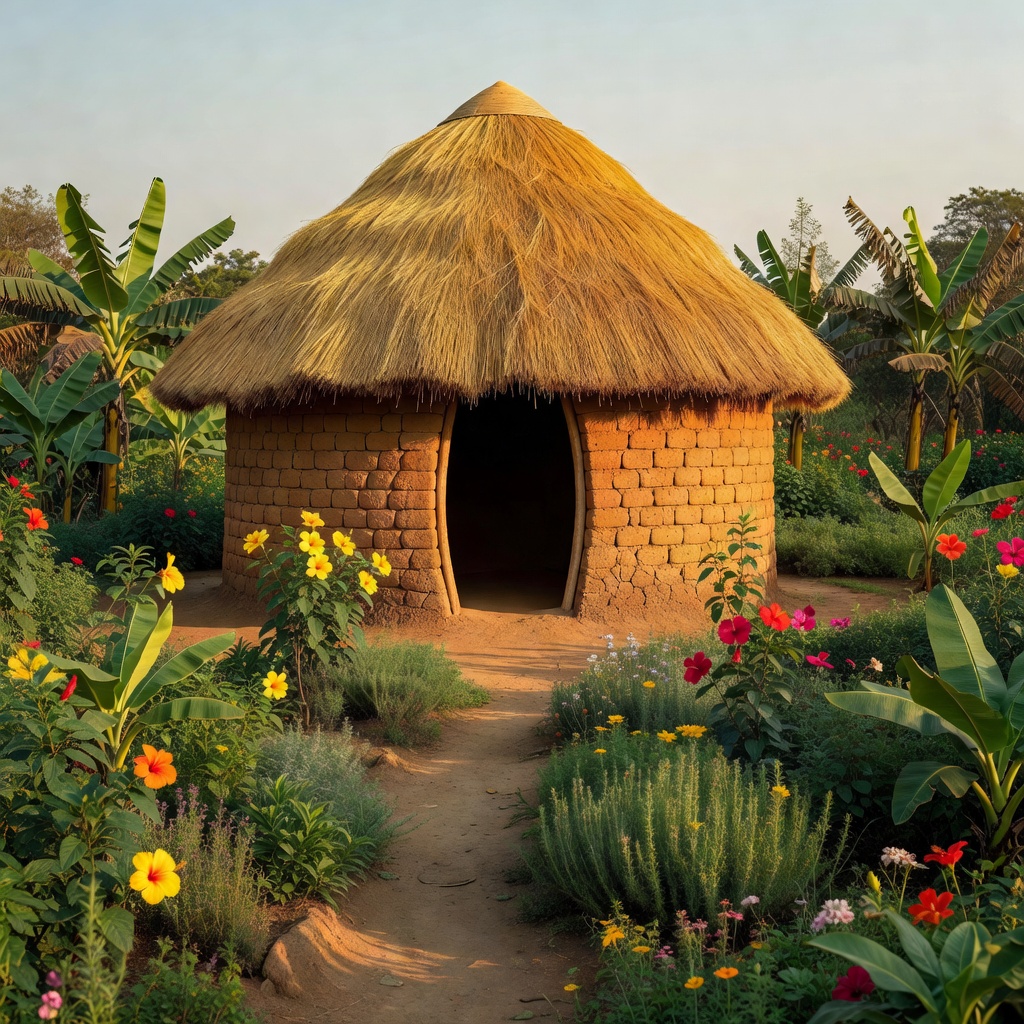
The Heart of Africa
Uganda is a landlocked country in East-Central Africa, bordered by Kenya to the east, South Sudan to the north, the Democratic Republic of Congo to the west, Rwanda to the southwest, and Tanzania to the south.
Often called the "Pearl of Africa" — a name coined by Winston Churchill — Uganda is celebrated for its extraordinary natural beauty, spanning from snow-capped mountains to vast savannahs, tropical rainforests, and the great lakes of East Africa.
The country covers approximately 241,551 square kilometres, with Lake Victoria — Africa's largest freshwater lake — forming much of its southern border.
Explore TourismUganda at a Glance
Capital City
Kampala — Uganda's vibrant capital and largest city, home to over 3 million people. It sits on the shores of Lake Victoria and is the political, economic, and cultural hub.
Official Languages
English and Swahili are the official languages. Luganda is the most widely spoken local language, alongside many other regional languages across the country's 56+ ethnic groups.
Independence
Uganda gained independence from British colonial rule on October 9, 1962. Independence Day is celebrated annually as a major national holiday across the country.
Currency
The Ugandan Shilling (UGX) is the official currency. Mobile money services like MTN Mobile Money and Airtel Money are widely used, especially in rural areas.
Religion
Christianity is the dominant religion, with about 84% of the population identifying as Christian. Islam is followed by approximately 14%. Traditional beliefs are also practiced.
Population
With over 47 million people and one of the world's youngest populations — median age of just 16 years — Uganda's youthful energy is one of its greatest assets for future growth.
A Rich Historical Journey
Uganda's history spans thousands of years, from early Bantu migrations and the rise of powerful kingdoms to European colonization and eventual independence.
-
~1000 AD
Kingdom Formations
The kingdoms of Buganda, Bunyoro, Ankole and Toro emerge as powerful political entities in the region.
-
1890
British Protectorate
Uganda becomes a British protectorate, leading to significant political and cultural changes over the following decades.
-
1962
Independence
On October 9, Uganda gains independence. Milton Obote becomes the first Prime Minister.
-
1986
Modern Era Begins
President Yoweri Museveni takes power, ushering in a period of relative stability and economic growth.
-
2026
Continued Progress
Uganda continues growing as a regional leader in East Africa, with investments in infrastructure, health, and education.
The Ugandan Flag
The flag features six horizontal bands of black, yellow, and red — repeated twice. At the centre is a white disc bearing the Grey Crowned Crane, Uganda's national bird.